On this page
Orchards, forest and the final rocks
The path climbs into Maderas’s southern flank, beginning among cultivated ground. Citrus and avocado orchards give way to wetter woodland, with vines and bromeliads among the trees. Breaks in the lower vegetation bring Lake Nicaragua back into view. The changing surroundings are part of the walk’s appeal, well before you reach the water.
A broad plantation driveway leads toward a hydroelectric installation. Beyond it, the way narrows into forest, with water pipes following part of the trail. The lower track gives you room to settle into the uphill walking; the final approach needs a slower pace.
Rocks, roots and wet stream sections replace the easier ground. In places, hands help with the climb. Grippy shoes earn their place here, especially on the way down when legs are tired. An upper drop-off saves part of the lower approach but leaves this rough finish on foot.
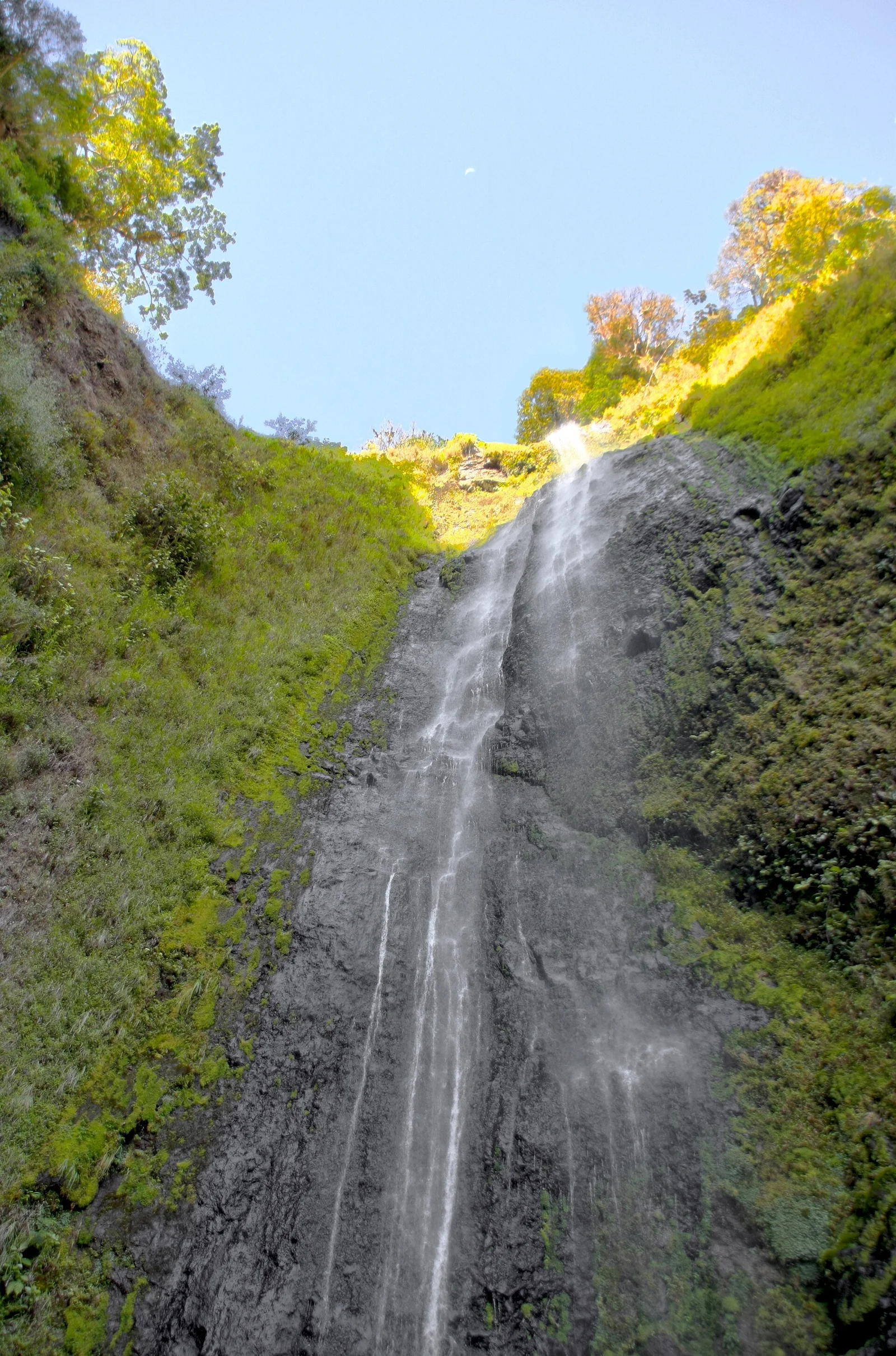
The fall ends at a small basin beneath a tall cliff, enclosed by the green mountainside. After the climb, the pleasure is simple: stop beside the rock and falling water, rest, and take in the forest before turning downhill. The waterfall alone makes a satisfying half-day walk from a nearby base.
Walking time and who it suits
The biological-station route takes about 3–4 hours return, including a stop by the falls. The uphill leg is roughly 1½–2 hours. A longer rest at the basin adds time; the last rocks can also slow the return. These timings begin at the lower station entrance, with the road journey still to add.
For regular walkers, San Ramón offers a substantial climb without the full commitment of Maderas’s crater lagoon. The forest and waterfall are the destination. A lodge start farther down or a vehicle drop-off higher up changes the amount of walking.
Walking with children
Children accustomed to uneven paths may enjoy the orchards, forest and waterfall. Strollers cannot cover the upper trail, and carrying a small child makes the rocky finish harder. The organized waterfall-and-kayak day excludes babies under one; older children still need the stamina for both outings. For a shorter family visit, Charco Verde’s lagoon paths are the gentler choice.
The best season for the waterfall
The wet season and early dry season usually bring the stronger flow. By March and April, the fall can thin considerably. Late in the dry season, come for the woodland climb as much as the water; a big cascade is a weaker reason to make the long journey from Moyogalpa.
Rain changes the trade-off. More water can make the falls more impressive while leaving the rocky approach slippery. A wet-weather rest day is better spent by the lake than on San Ramón’s final scramble. The hiking seasons help with planning several active days.
Maderas’s upper forest feeds springs and rivers below. At San Ramón, that water also serves the hydroelectric installation and plantation irrigation along the approach. A dip at the basin depends on flow and footing. For a day built around swimming, Ojo de Agua’s pools have the stronger claim.
The station start and upper vehicle access
The biological station is the road destination for the usual trail. San Ramón village lies down by the lake; a ride to the village leaves an extra approach before the station walk begins. Mérida is farther around the mountain, on the same southern side of Maderas.
The access road continues uphill to upper parking. It is steep, rocky and uneven, with a different feel from the paved island road. Scooters and small motorbikes need particular care. For riders without experience on rough slopes, parking lower and walking is the better choice.
A hired vehicle’s rental conditions and the state of the road also limit upper access. The easier lower track is part of the forest outing, so shortening it is optional. On foot, the station start gives you the full progression from cultivated land into woodland and the rocky approach below the falls.
From Moyogalpa, or stay around Mérida
From Moyogalpa, San Ramón combines a cross-island road journey with several hours of walking. A return ride to the biological station keeps the two parts of the day straightforward: accommodation to the trail start, then back after the descent. A one-way lift to the lakeshore village leaves more walking and a separate journey home.
The Mérida–San Ramón connections matter for a bus-based visit, especially the stopping point and the last return. With a Moyogalpa room, keep the day free of an onward ferry deadline.
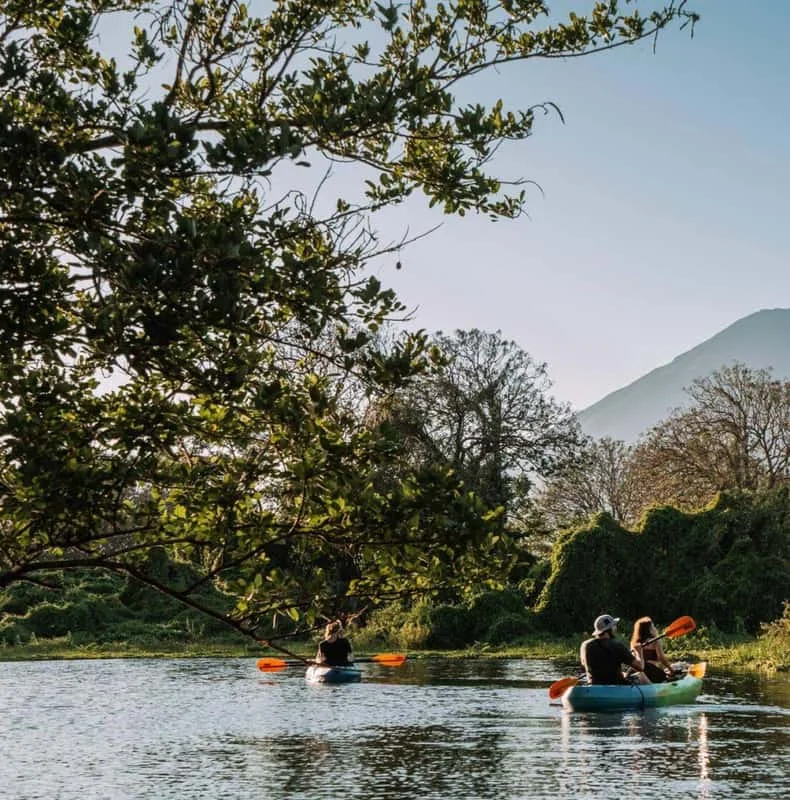
Mérida is the better base for several days on this side of Maderas. San Ramón and Istián kayaking can then have separate days, with a lakeside evening between them. Caballito’s Mar suits that slower southern-island stay.
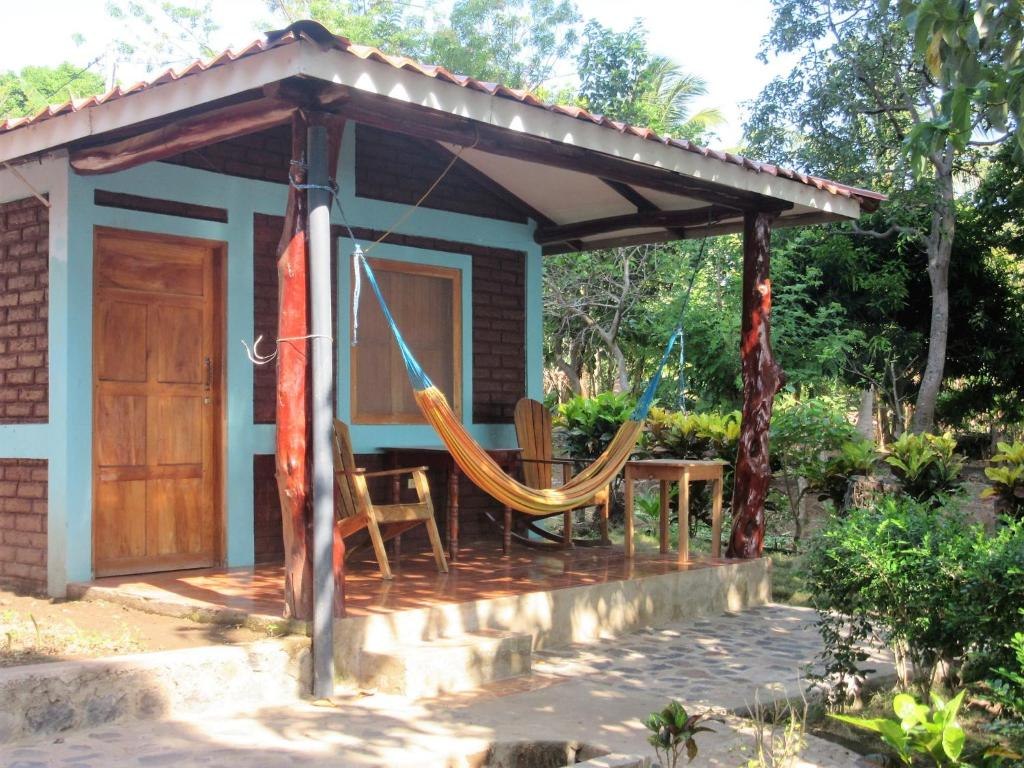 Photo: Agoda
From Mérida’s Catholic church: 50 metres north, then 300 metres toward the lake.
Caballito’s Mar
A lakeside base for several days of paddling and southern outings.
Basic Triple Room · 1 single bed and 1 double bed · up to 3 adults · Private bathroom
- Breakfast
- Included
- Cooling
- Air conditioning
- Agoda reviews
- 8.6/10 · 129 reviews
Walk independently or book the combination day
For the waterfall alone, a station ride and an independent walk give you the most time beside the falls. The established trail suits hikers comfortable with sustained uphill walking and the rough final approach. A slower descent and a lakeside lunch can fill the rest of the day without a second major outing.
The organized combination suits active visitors happy to follow the forest climb with time on the water. From a western-island room, having the journeys between stops arranged makes the long southern outing easier.
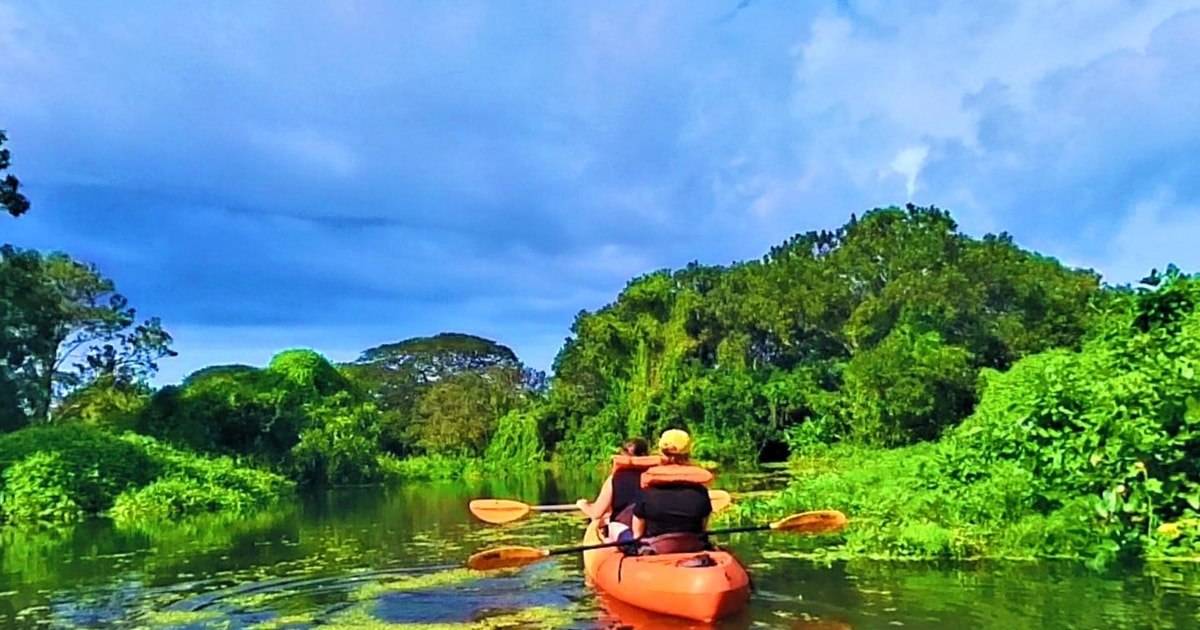
The waterfall, kayak and sunset route packs more into one day from a western-island base. For unhurried time at San Ramón, take the standalone walk.
Admission, shoes and a dry change
Allow about US$3 per person for station-route admission. Optional halfway vehicle access adds about US$3 per vehicle. Road transport, a guide if wanted, and food are separate costs. Carry cash for the entrance and enough drinking water and snacks for the walk.
Walking shoes with grip matter most on the final rocks. Sun protection helps on the open lower approach; a light rain layer and a waterproof bag protect essentials higher up. A change of clothes is useful after rain or a dip. Bottles and wrappers come back down with you.
A lakeside meal makes a relaxed finish after the descent. Playa Mango is another Maderas-side stop, with a separate road journey after the walk. From Mérida, a quiet evening by the lake leaves the next morning free for paddling.