On this page
Ometepe month by month
January–February for hiking; greener months for forest and waterfall days; December–March for kites. The broad dry season runs around November–April and the rainy season around May–October, with November a transition. July and August can have a quieter spell within the rains.
Rivas, across the lake on the mainland, provides the lowland regional averages below. The mountain trails have their own cooler, wetter conditions: Maderas’ cloud forest stays humid even in the drier months.
| Month | Mean temperature (°C) | Rainfall (mm) |
|---|---|---|
| January | 25.6 | 31 |
| February | 26 | 19 |
| March | 26.7 | 15 |
| April | 27.7 | 29 |
| May | 27.2 | 182 |
| June | 26.4 | 241 |
| July | 26.2 | 218 |
| August | 26.3 | 220 |
| September | 26.2 | 271 |
| October | 25.8 | 288 |
| November | 25.8 | 110 |
| December | 25.7 | 45 |
December to February: drier days before the heat
January and February are the best fit for a first visit with one big volcano day. They combine drier island weather with the relatively cooler part of the year. Lower woodland walks and Concepción’s exposed volcanic slopes work well before the hotter end of the dry season.
The four-night itinerary leaves three full days between the boats, separating the mountain, western woodland and swim. Two nights give you only one full day, making a weather-dependent hike a much larger part of the trip.
March and April: heat on the lower slopes
March has the lowest average rainfall in the table; April is the warmest month, with May close behind. Around Moyogalpa, leaf-shedding woodland becomes spare and dusty before the rains bring it back into leaf.
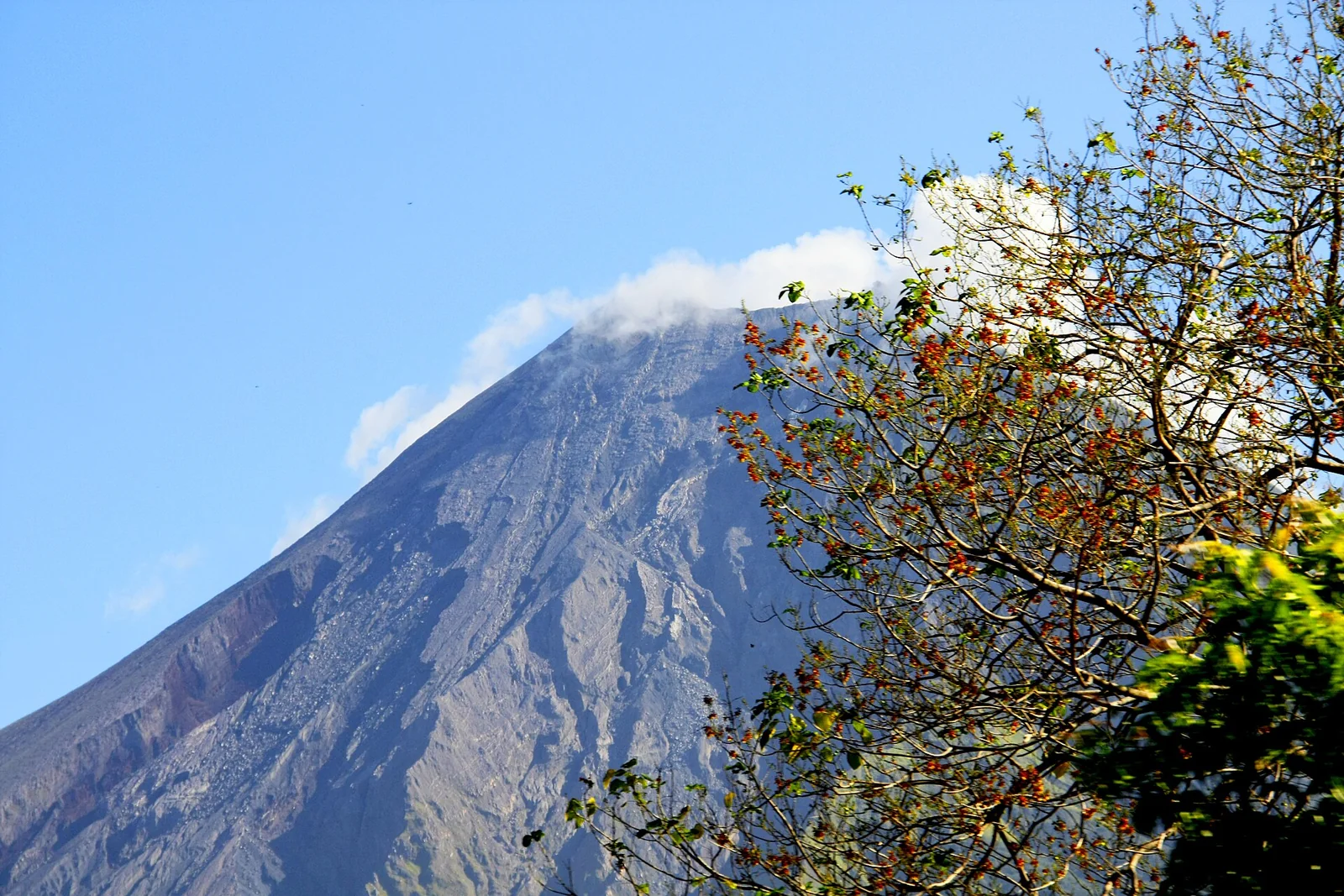
Early morning suits the Charco Verde lagoon circuit. Lunch, shade and a swim fill the hotter afternoon. Concepción’s upper slopes offer far less tree cover, making sun protection and plenty of drinking water part of the climb. A pool or air-conditioned room is a welcome return.
May to November: the green island
The rains green up lower woodland and farm plots. Showers often fill part of the day, especially the afternoon, with timing that changes from day to day. September and October bring the later rains; October has the highest average rainfall in the table.
July and August: a possible pause
The canícula is a mid-year reduction in rainfall, broadly around mid-July to mid-August. Its timing and strength vary, while the landscape keeps its green-season character.
November: toward drier days
November mixes the turn toward the dry season with lingering Pacific-region showers. Coffee, cacao and lower forest walks give a green island stay several possible outings. El Ceibo’s indoor collections make the better swap when the afternoon turns wet.
Green edges in the dry season
Lakeshore gallery woodland keeps foliage longer than the deciduous slope forest. Plantain fields, citrus, avocado trees and living fences add greenery around Moyogalpa even after the wider woodland has thinned.
Volcano trails and the San Ramón waterfall
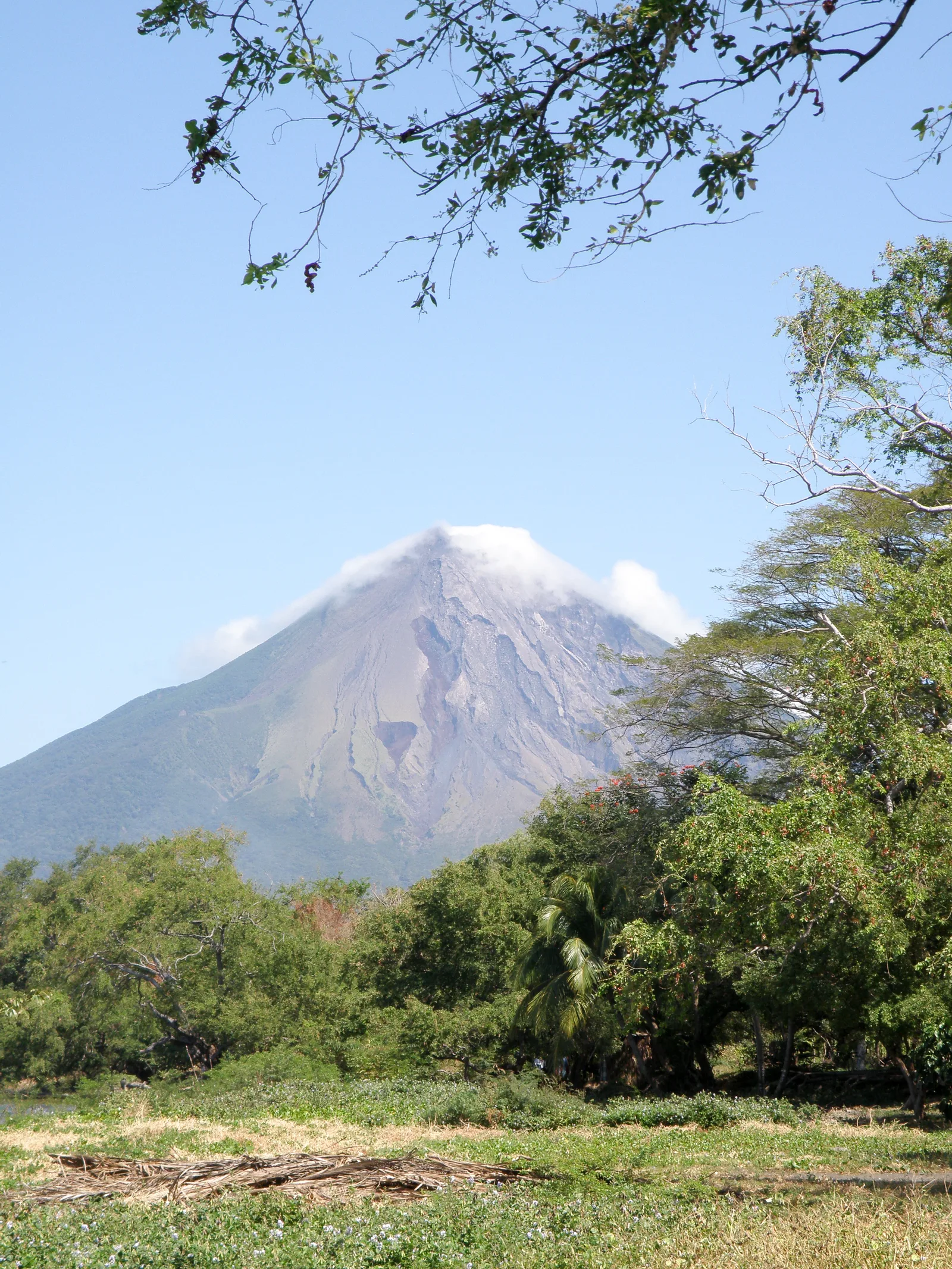
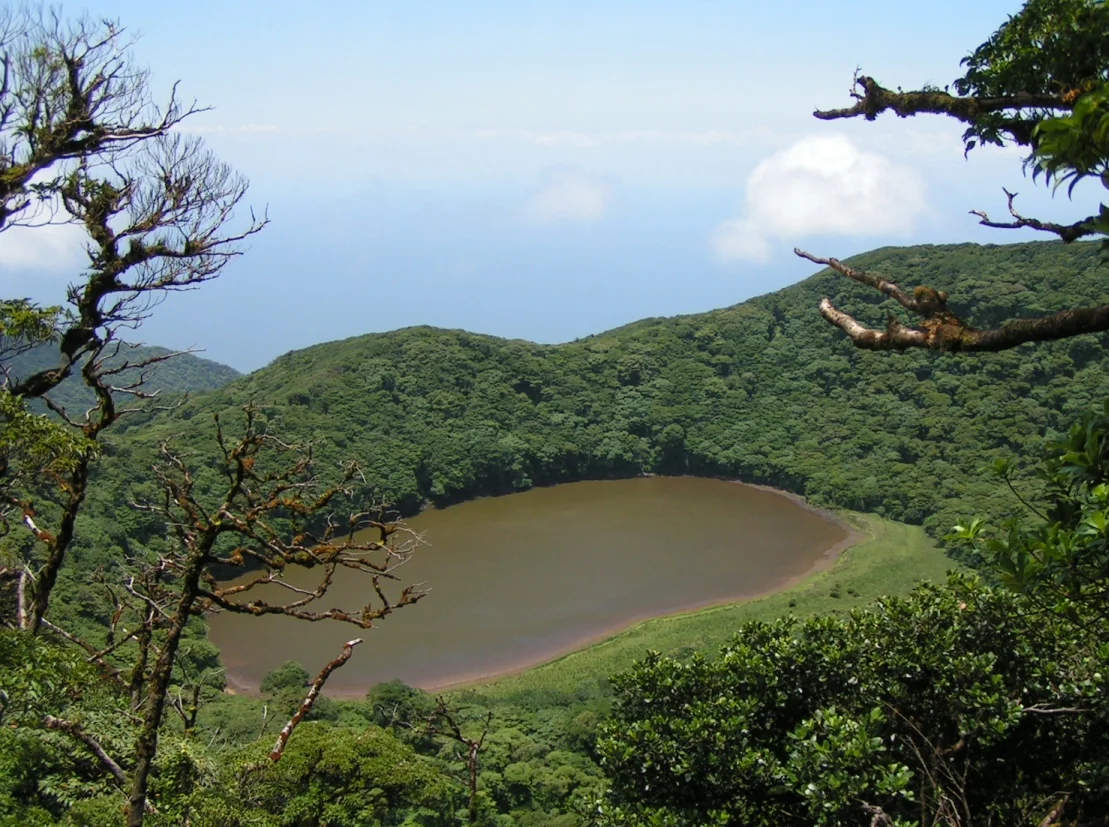
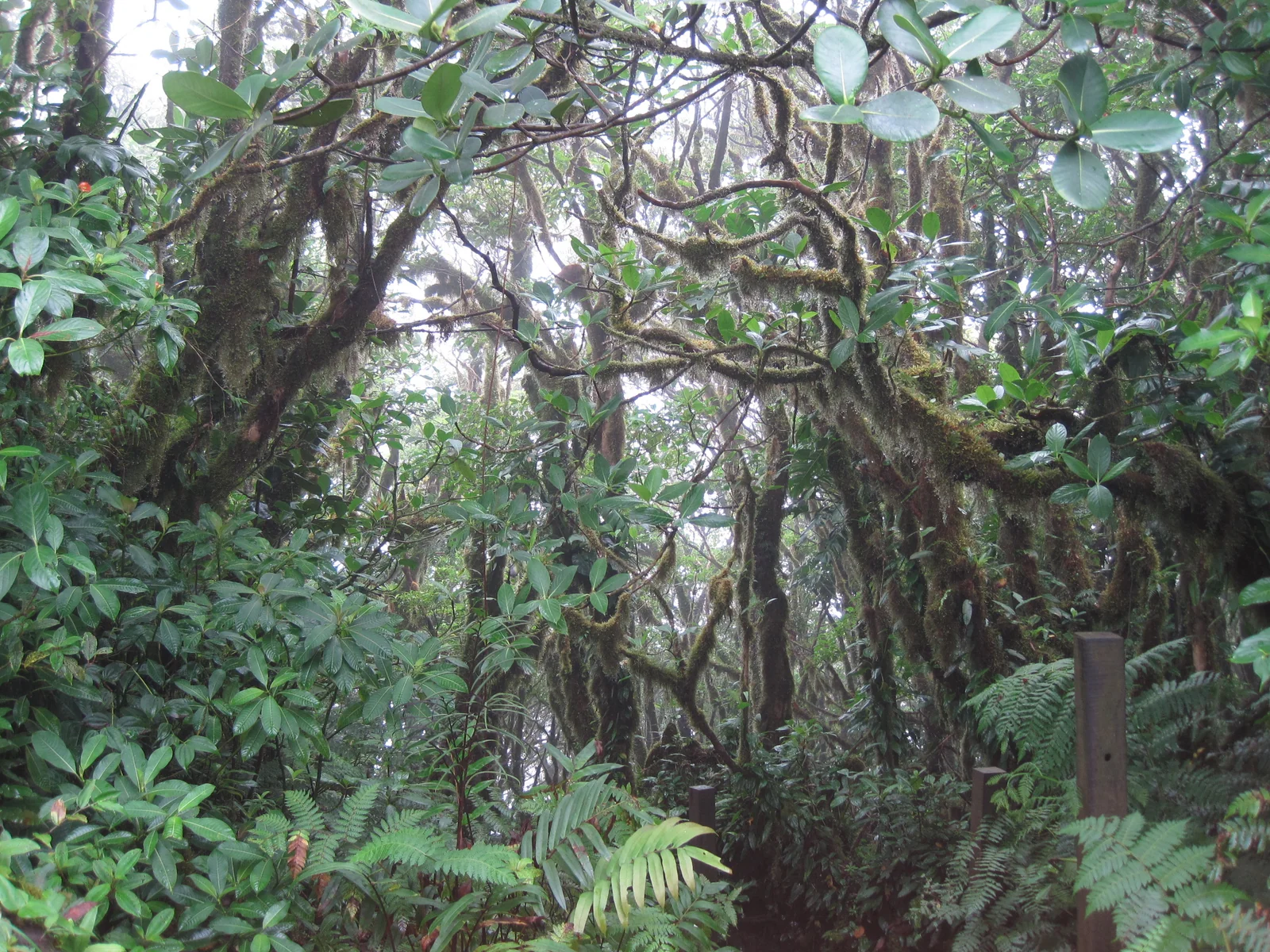
Concepción is the open mountain; Maderas is the forest-and-lagoon climb. Clear weather gives Concepción its broad lake panorama. Maderas rewards a day among roots and humid vegetation, with mud through much of the year, including the dry season.
Either ascent fills a mountain day. The guide’s route and turnaround follow conditions and the group’s pace; the departure ferry fits better on another morning.
San Ramón: fuller flow, wetter ground
The waterfall becomes especially striking in the rains and early dry season. By March and April its flow can be light. More water also brings wetter rocks on the orchard-and-forest approach. The station trail stays an uphill walk with a rough finish; the upper vehicle track is steep and rocky.
Lake winds, kites and changing water levels
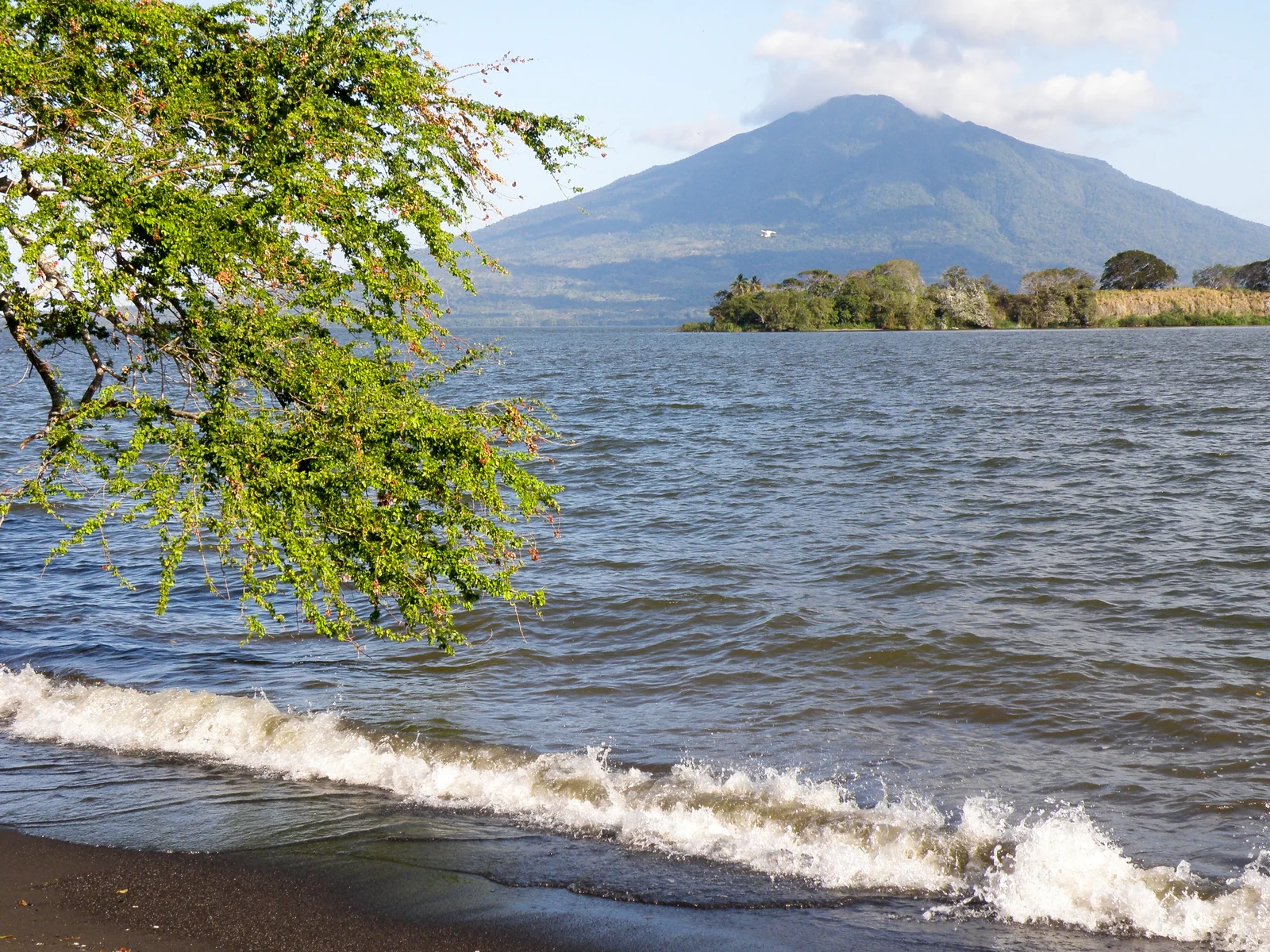
Wind season at San Fernando’s kite beach runs November–May, with December–March the most consistent period. Choppy freshwater and small waves form part of the teaching conditions. Swimmers and paddlers have a different priority: gentler water on their chosen shore.
Punta’s sandbar and the Istián paddle
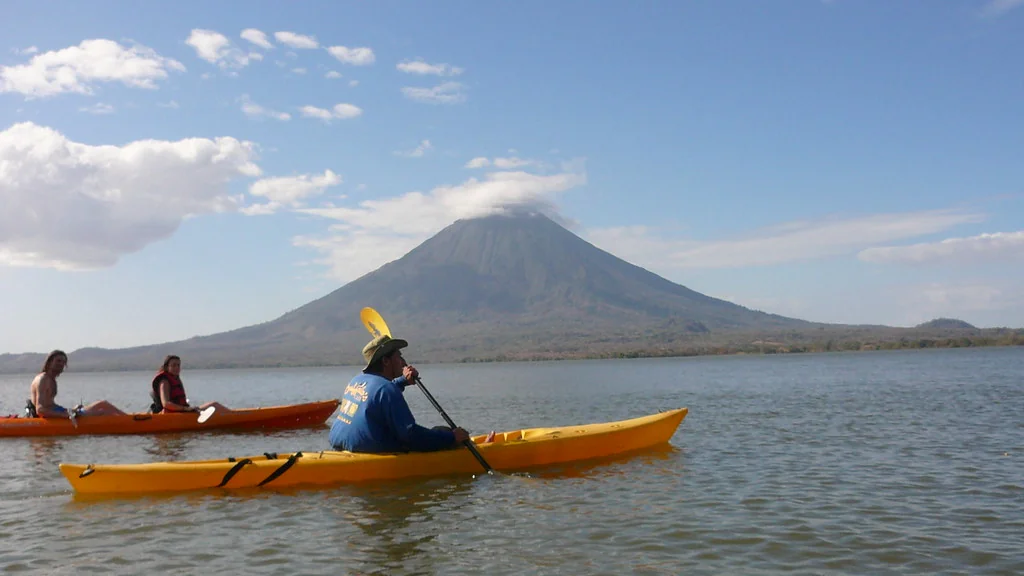
Lake level determines how much sand is exposed at Punta Jesús María. The volcano view remains when the bar is small. Low water late in the dry season can also alter the channels reached on an Istián paddle.
The named Mérida-jetty kayak outing crosses open lake before reaching the wetland. Morning suits birdwatching; wind on the approach and water within the channels shape that day’s route.
Semana Santa, Christmas and the island stay
Semana Santa puts pressure on rooms and the ferry ports. Ometepe’s room occupancy reached 90.5% during Holy Week 2025. At the start of Semana Santa 2026, more than 3,000 passengers a day travelled through the San Jorge port operation for Ometepe. These busy holiday periods reward an island room and outward and return vehicle spaces booked together.
Christmas–New Year is another important island travel period. Sundays and holidays can have reduced boat services, with cancellations also possible. A mainland night keeps the crossing out of an early-flight morning; an extra island day gives a mountain trip more room for weather.
What earns its place in the bag
Sun protection and drinking water matter on the exposed cone. Grippy shoes, a rain layer, warm clothing and extra food belong on the volcanoes; a waterproof pouch protects ferry documents and phones. Swimwear and a towel cover the pool afternoon.